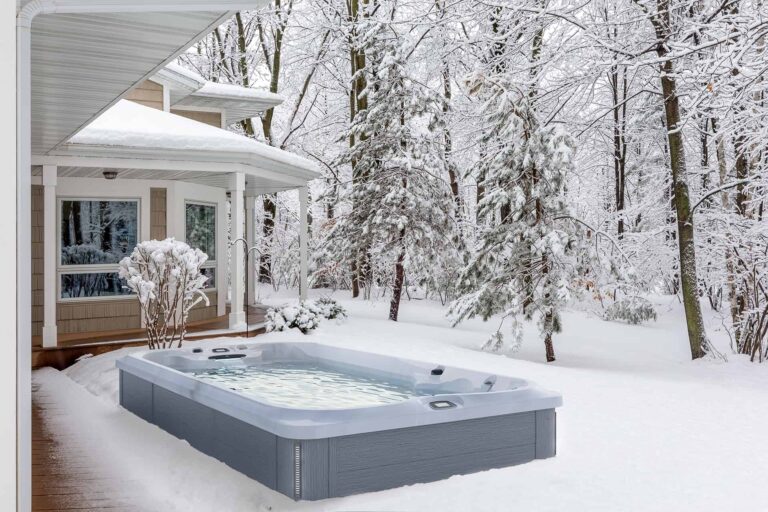
Most people who buy a hot tub say they bought it to relax. Most people who own one for a year say they can’t imagine living without it, and the reasons go well beyond relaxation.
Here’s the problem with the way hot tubs are marketed: the industry leans hard on words like ‘therapeutic’ and ‘wellness’ without being specific about what that actually means for your body, your sleep, your joints, or your mental state. And when the benefits aren’t clear, hot tub ownership can feel like a luxury purchase rather than a health investment.
It’s a health investment. Here’s the evidence for that, laid out plainly, for people living in northern Minnesota where the physical demands of the climate are real and the case for daily hydrotherapy is strong.
Hydrotherapy Has a 2,000-Year Track Record
The use of hot water for healing is not a modern wellness trend. Greek physicians recommended hot baths for muscle pain. Roman baths were public health infrastructure. Japanese onsen culture has used volcanic hot spring soaking for respiratory, skin, and joint health for centuries. The science has caught up to what cultures around the world discovered through observation.
Hydrotherapy works through three primary mechanisms: heat, buoyancy, and massage. Applied together, these three elements do things to the human body that are difficult to replicate through any other single treatment. A hot tub delivers all three simultaneously, in your own backyard, at whatever hour your body needs it most.
What’s particularly relevant for Minnesota owners is that many of the benefits of hydrotherapy are most valuable in cold climates. Chronic pain is exacerbated by cold. Sleep disruption increases in dark winters. Joint stiffness is worse in cold air. The conditions that make Minnesota winters hard are the same conditions that make a quality hot tub most useful.
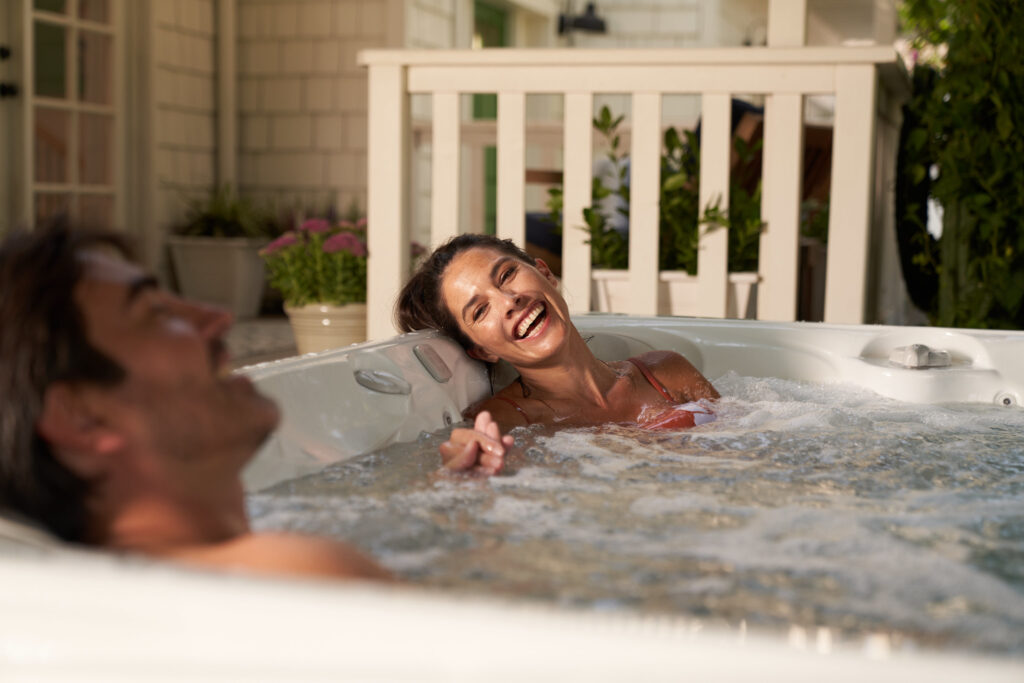
The Three Mechanisms: Heat, Buoyancy, and Massage
Heat dilates blood vessels, increasing circulation throughout the body. Improved circulation means more oxygen and nutrients delivered to muscles and joints, and faster removal of metabolic waste. For someone who has been sitting in a cold car, working outdoors, or managing a chronic condition like arthritis, this vascular response is immediate and measurable.
Buoyancy offloads weight from the skeletal system. When submerged to the neck in water, you carry roughly 10% of your body weight. This decompression allows joints, particularly the spine, hips, and knees, to release compression and move through a fuller range of motion with significantly less pain. For individuals with arthritis, disc problems, or lower back pain, this effect can be dramatic.
Massage from pressurized jets targets specific muscle groups. Unlike a static bath, hot tub jets deliver directed pressure to muscle tissue, breaking up tension and stimulating the same nerve pathways targeted by manual massage therapy. The therapeutic effect is real, repeatable, and available every evening.
Hot Tubs and Sleep — A Relationship Worth Understanding
Sleep problems are widespread in Minnesota during winter months. Short days disrupt circadian rhythms. Cold temperatures affect sleep architecture. The stress of long winters, heating bills, and reduced outdoor activity builds up. Many Minnesotans are managing worse sleep in January than in July, often without recognizing that the season is a factor.
Hot tub use has a well-documented effect on sleep onset and quality. The mechanism is counterintuitive: soaking in hot water raises your core body temperature. When you get out of the tub and your body temperature drops back to normal, this cooling signal triggers the same physiological cascade that your body uses to initiate sleep. The faster your temperature drops after soaking, the faster and deeper you tend to fall asleep.
Research published in peer-reviewed journals has consistently shown that soaking in hot water 90 minutes to two hours before bedtime can reduce the time it takes to fall asleep by an average of 10 minutes and improve sleep quality scores significantly. For someone who is lying awake at midnight in a Minnesota January, those 10 minutes matter.
The practical takeaway: an evening soak is not just relaxing in a vague sense. It is specifically priming your body’s sleep initiation mechanism. This is one of the most concrete health benefits of hot tub ownership and one that accumulates in value over years of nightly use.
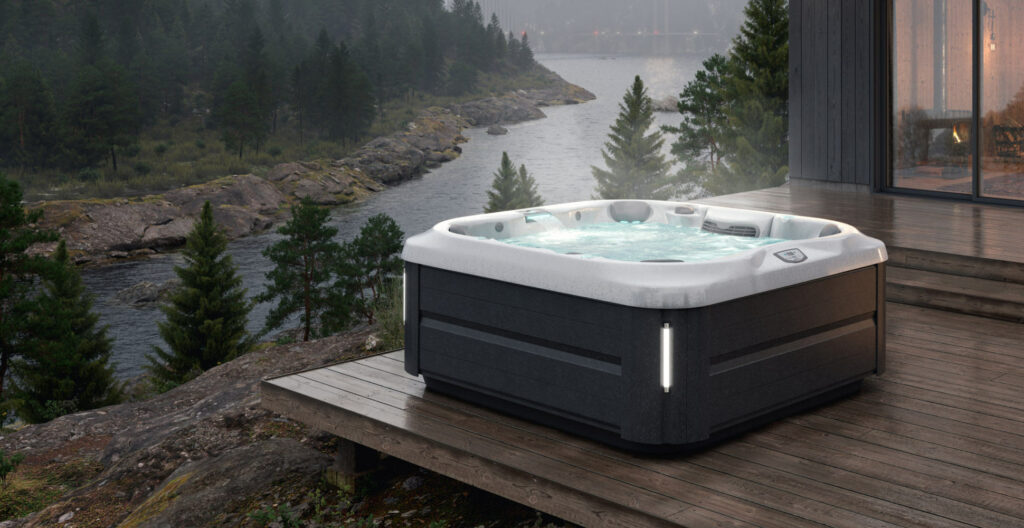
Joint Pain, Arthritis, and Mobility in a Cold Climate
Northern Minnesota is home to a significant population of older adults, many of whom are managing some form of joint pain, arthritis, or mobility limitation. It is also home to a workforce that includes significant numbers of people in physically demanding trades, agriculture, and outdoor industries. Both groups share a common experience: cold weather makes physical pain worse.
For people with osteoarthritis, rheumatoid arthritis, or general joint degeneration, hot water immersion provides relief that is both immediate and cumulative. The heat and buoyancy combination reduces the load on affected joints while improving synovial fluid circulation, which lubricates joint surfaces. Regular soaking can improve morning stiffness, increase range of motion, and reduce the daily dose of over-the-counter pain medications that many arthritis sufferers rely on.
The Arthritis Foundation has formally recognized hydrotherapy as a beneficial treatment for arthritis management. This is not alternative medicine; it is a clinically supported intervention that happens to be available in a consumer product you can use nightly.
Back Pain — One of the Most Common Reasons People Buy a Hot Tub
Lower back pain is one of the leading reasons people visit our Duluth, Brainerd, and Bemidji showrooms. It’s also one of the conditions where the right hot tub, with the right jet configuration, makes the most noticeable difference.
Jets positioned at lumbar level deliver targeted pressure to the paraspinal muscles, the long muscles running alongside the spine that are almost always involved in lower back pain. The combination of heat, jet pressure, and the decompression from buoyancy creates a treatment environment for back pain that is difficult to replicate with a heating pad, foam roller, or even most physical therapy modalities.
Models like the Jacuzzi J-300 series are specifically designed with adjustable PowerPro jets that can be directed at the exact muscle groups causing discomfort. When you come into our showroom, ask to try the lumbar jet positions. The difference between a generic jet layout and a well-engineered hydrotherapy position is immediately apparent.
Stress and Mental Health — The Overlooked Benefit
The mental health benefits of hot tub ownership are real but rarely discussed with the same specificity as the physical ones. That’s a gap worth closing, particularly for people managing the psychological weight of long northern winters.
Regular hot water immersion activates the parasympathetic nervous system, sometimes called the ‘rest and digest’ system, which is the physiological counterpart to the stress-driven ‘fight or flight’ response. When your parasympathetic system is active, cortisol levels drop, heart rate decreases, and the brain shifts into a lower-arousal state that is incompatible with sustained anxiety.
This is not a placebo effect. It is a measurable physiological response. The challenge is that in modern life, we spend very little time in environments that reliably trigger this response. A hot tub, used consistently, creates a structured daily transition from high-arousal to low-arousal that benefits mental health in ways comparable to mindfulness practice or moderate exercise.
The social dimension matters too. Shared hot tub time is one of the few activities where people actually talk to each other without phones, screens, or the pressure to be productive. Many hot tub owners report that regular soaking with a partner or family members has improved those relationships in ways they didn’t anticipate when they made the purchase.
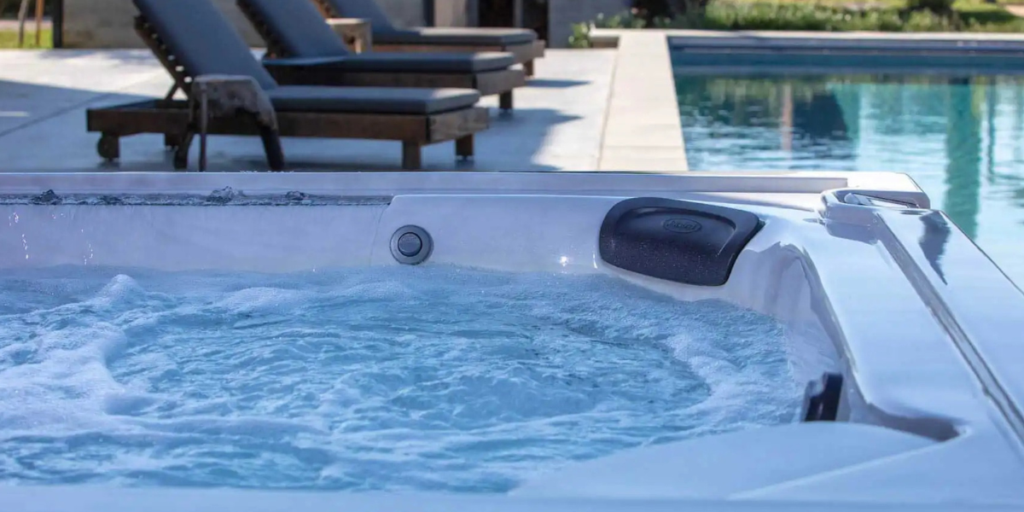
Hot Tub Use for Athletic Recovery
Minnesota has a genuinely active outdoor culture. Hunting, fishing, hiking, snowmobiling, cross-country skiing, and hockey are not occasional hobbies for many northern Minnesota residents; they are regular and often physically demanding activities. Recovery matters.
Hot water immersion accelerates muscle recovery through the same mechanisms that make hydrotherapy effective for chronic pain: improved circulation, reduced muscle tension, and joint decompression. Post-activity soaking reduces delayed-onset muscle soreness (DOMS), the stiffness and pain that peaks 24-48 hours after intense exercise, and can shorten recovery time between activities.
The distinction between pre-activity and post-activity use is worth noting. Soaking before vigorous activity can increase cardiovascular load and is generally not recommended immediately before intense exercise. Post-activity soaking, 30-60 minutes or more after the activity ends, is where the recovery benefits are strongest.
For anyone who is active in any of Minnesota’s outdoor pursuits, a hot tub is essentially daily recovery infrastructure. It replaces the ice bath, the heating pad, the foam roller, and the anti-inflammatory medication with a single tool that is more effective and far more enjoyable than any of them.

Frequently Asked Questions
How often should I use my hot tub to get health benefits?
Daily use produces the most consistent benefits, particularly for sleep, stress, and chronic pain management. Most research showing measurable improvements in sleep quality and pain scores involved subjects soaking four to seven times per week. Even three to four sessions per week produces noticeable results over time. The hot tub should be treated like any other health practice: consistency matters more than intensity.
Is it safe to use a hot tub every day?
For most healthy adults, yes. Limit individual sessions to 15-30 minutes, stay hydrated, and avoid soaking at temperatures above 104°F. People with cardiovascular conditions, diabetes, or who are pregnant should consult their doctor before beginning regular hot tub use. Children under five should not use hot tubs; older children should use lower temperatures and shorter sessions under adult supervision.
Can a hot tub help with fibromyalgia or chronic pain conditions?
There is meaningful clinical evidence supporting hydrotherapy as a complementary treatment for fibromyalgia and other chronic pain conditions. Studies have shown reductions in pain scores, improvements in functional mobility, and better sleep outcomes in fibromyalgia patients who used warm water therapy regularly. Hot tubs are not a cure, but for many chronic pain patients, they are among the most effective tools available for symptom management.
What temperature should I set my hot tub for therapeutic use?
The therapeutic range is generally 100°F to 104°F, with 102°F being the most commonly recommended for general use. For cardiovascular purposes or for users who are sensitive to heat, 98°F to 100°F still provides significant benefits with a lower cardiovascular demand. The maximum safe temperature for adults is 104°F; above that, the risk of overheating increases.
Health by Choice, Not by Accident
A hot tub is one of the few home purchases where the health case is as strong as the lifestyle case. Better sleep, reduced pain, faster recovery, lower stress: these are not marketing claims. They are documented physiological responses to regular warm water immersion, and they compound over years of ownership.
Minnesota winters are long. The case for having a warm, therapeutic space available every day of the year, in your own backyard, without driving anywhere or scheduling anything, is a strong one. It doesn’t require a wellness philosophy or a particular lifestyle. It requires a quality hot tub and 20 minutes of your evening.
Our team at Midnight Sun Pools n’ Spas is happy to discuss which models are best suited to specific health goals. Whether you’re managing back pain, training for a spring race, or just trying to sleep better through February, we can point you toward the right model for your situation.